)

Energy Law Malaysia: A Simple Guide to Big Changes in 2026
Key Takeaways
- Rapid Transformation: Malaysia’s energy sector is evolving quickly due to legal, technological, and global changes.
- Legal Framework Matters: Strong regulations ensure reliability, fairness, and environmental protection.
- Emerging Technologies: Innovations like offshore wind and ocean energy are shaping future policies.
- Global Influence: International agreements are impacting local energy laws and investment flows.
- ESG Importance: Sustainability and governance are now central to energy project approvals.
The Foundation: What Is Energy Law Malaysia?
Energy law in Malaysia is the system of rules that controls how energy is produced, moved, and sold, covering electricity, oil, gas, and renewable sources such as solar and wind1.
These laws ensure energy reliability, fair pricing, and compliance with safety and environmental standards, forming the backbone of the country’s energy system2.
A Sector in Motion: Why Everything Is Changing
Malaysia’s energy sector is evolving due to rising electricity demand, pressure to reduce emissions, and increasing investment in renewable energy, all of which are reshaping policy and regulation3.
Corporate restructuring and market adjustments are also influencing competition and investment patterns, making legal strategy a key factor in shaping the industry.
How Projects Actually Get Built
Energy projects in Malaysia require careful legal planning, from securing permits to structuring financing and ensuring regulatory compliance4.
Legal oversight ensures that environmental risks are managed and approvals are obtained efficiently, reducing the likelihood of delays or project failures5.
Broader regulatory developments across sectors such as trade and data protection also influence how energy projects are structured and executed6.
The Rise of New Energy Technologies
Malaysia is exploring innovative energy technologies, including ocean-based systems that generate power using temperature differences in seawater, creating new legal and environmental considerations7.
Offshore wind energy is also gaining attention, requiring updated legal frameworks to address sea usage rights, grid connections, and environmental approvals8.
A Global Angle: The U.S.–Malaysia Energy Link
International agreements are strengthening Malaysia’s energy sector by supporting trade, investment, and knowledge sharing, while also encouraging alignment with global regulatory standards9.
The Big Picture: Regulation in 2026
Malaysia’s energy regulations are becoming more dynamic, with stronger government oversight and a clear shift toward cleaner energy policies10.
Future trends include stricter compliance requirements, increased transparency, and expanded renewable energy regulations, all of which demand greater awareness from businesses11.
ESG: More Than Just a Buzzword
Environmental, Social, and Governance principles are now central to energy law, influencing how projects are approved, monitored, and financed in Malaysia12.
Companies must demonstrate environmental responsibility, fair community engagement, and strong governance practices to meet modern regulatory expectations.
New Frontiers: Hydrogen and Nuclear Energy
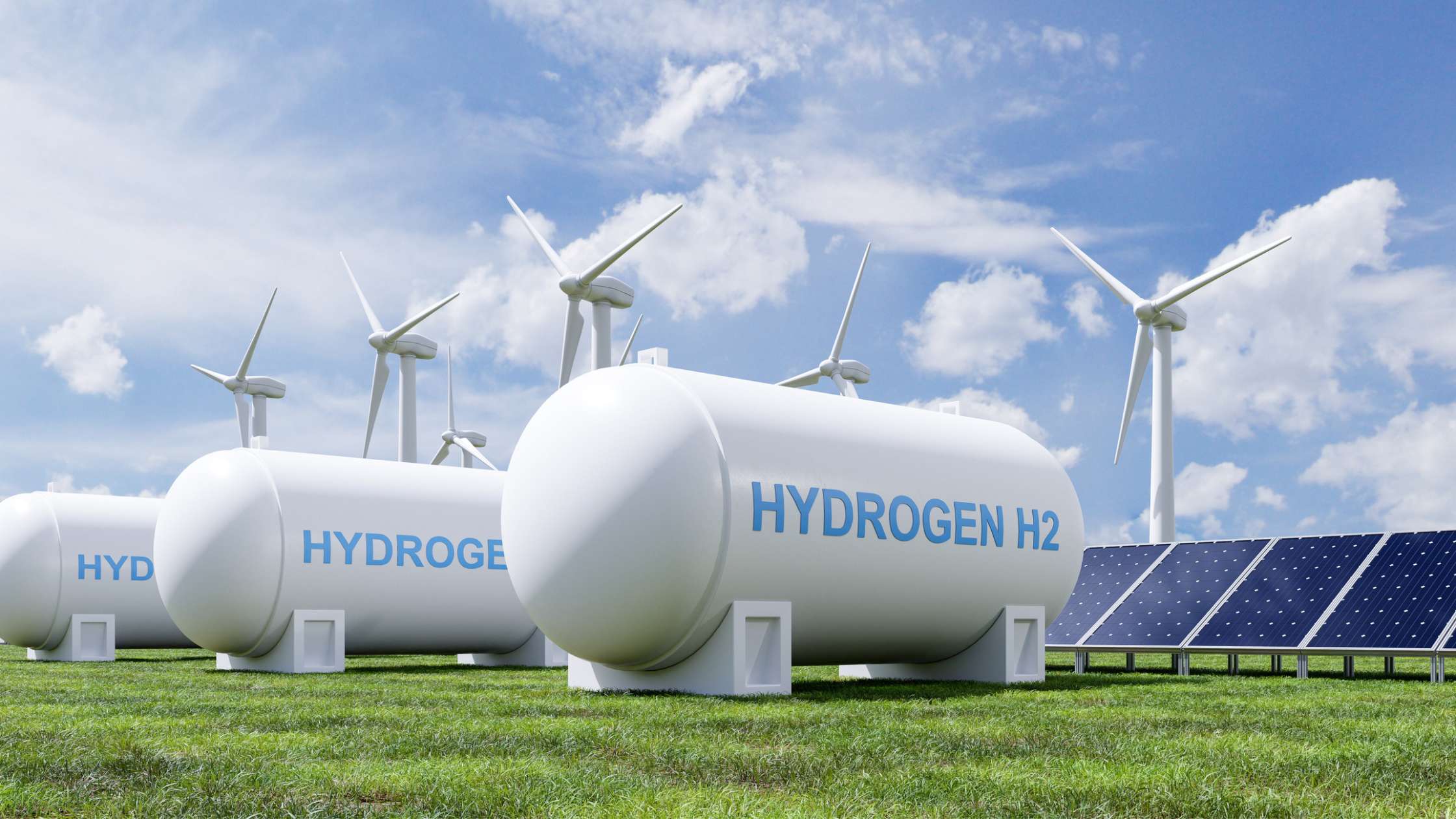
Emerging energy sources like hydrogen are gaining attention as clean alternatives, but they require new legal frameworks for production, transportation, and pricing13.
Nuclear energy is also under consideration, with strict regulatory requirements for licensing, safety, and waste management shaping its potential development14.

What This Means for Businesses and Investors
These changes create opportunities in renewable energy and international partnerships, but also introduce challenges such as complex regulations and higher compliance costs.
A Visual Snapshot of the Legal Foundation
)
Energy law publication highlighting regulatory frameworks and industry development context
The Road Ahead
Energy Law Malaysia is at a turning point, balancing energy security, economic growth, and environmental sustainability through evolving regulations and global cooperation.
The future will depend on how effectively Malaysia updates its laws, supports innovation, and maintains investor confidence.
Final Thoughts
Energy law is no longer just a technical field. It is central to Malaysia’s future, connecting renewable energy, global trade, and sustainability goals.
As the rules continue to evolve, understanding them will be essential for businesses, investors, and consumers alike.
Frequently Asked Questions
Question: What is energy law in Malaysia?
Answer: It is the set of rules and regulations that govern how energy is produced, distributed, and sold across the country, including both traditional and renewable sources.
Question: Why is Malaysia’s energy sector changing in 2026?
Answer: Changes are driven by rising energy demand, environmental concerns, new technologies, and international partnerships.
Question: How do new technologies impact energy law?
Answer: Emerging technologies like offshore wind and hydrogen require updated legal frameworks to address licensing, environmental protection, and infrastructure development.
Disclaimer: The information is provided for general information only. JYMS Properties makes no representations or warranties in relation to the information, including but not limited to any representation or warranty as to the fitness for any particular purpose of the information to the fullest extent permitted by law. While every effort has been made to ensure that the information provided in this article is accurate, reliable, and complete as of the time of writing, the information provided in this article should not be relied upon to make any financial, investment, real estate or legal decisions. Additionally, the information should not substitute advice from a trained professional who can take into account your personal facts and circumstances, and we accept no liability if you use the information to form decisions.