)

Home Food Growing: Why This Global Movement Is Exploding in 2026
Key Takeaways
- Global Shift: Home food growing has evolved from a niche hobby into a widespread lifestyle movement.
- Tech-Driven Growth: Smart indoor gardening systems are making food cultivation accessible to everyone.
- Health and Sustainability: Growing food at home supports better nutrition and eco-friendly living.
- Community Impact: Knowledge sharing and personal stories are driving adoption worldwide.
- Future Potential: Innovation will continue to make home food production easier and more efficient.
The Rise of Home Food Growing
Home food growing is no longer a niche hobby—it’s one of the most talked-about lifestyle shifts in 2026. From city apartments to suburban backyards, people everywhere are cultivating their own herbs, vegetables, and even mushrooms as part of a broader movement focused on health, sustainability, and independence.
The surge in home food growing is driven by global pressures such as rising food costs and increased awareness of sustainability. More individuals are questioning where their food comes from and are turning to their own homes as the answer.
Personal stories highlight this shift. Individuals are embracing self-sufficiency by growing fresh produce at home, showing how everyday people are taking control of their food supply and strengthening local resilience1.
At the same time, professionals from non-agricultural backgrounds are integrating food growing into their routines, demonstrating that anyone can participate regardless of experience2.
Technology Is Changing the Game
Technology is one of the biggest drivers behind the growth of home food cultivation. Modern systems have removed traditional barriers, allowing people to grow food indoors without extensive knowledge or space.
Innovative hydroponic systems enable users to grow plants year-round using water-based methods combined with automated lighting and nutrient delivery, making the process efficient and beginner-friendly3.
Similarly, compact smart gardens are designed for simplicity, helping users grow herbs and small plants with minimal effort and maintenance4.
What Can You Actually Grow at Home?
Many beginners wonder what they can realistically grow in limited spaces. The answer is surprisingly broad, with many easy-to-grow plants thriving indoors or in small containers.
Community-driven platforms offer practical insights, highlighting options such as lettuce, spinach, herbs, and cherry tomatoes as ideal starting points for apartment gardening5.
- Grow quickly
- Require minimal space
- Are easy to maintain
Starting small allows beginners to build confidence before expanding into more advanced setups.
Beyond Vegetables: Expanding Home Food Production
)
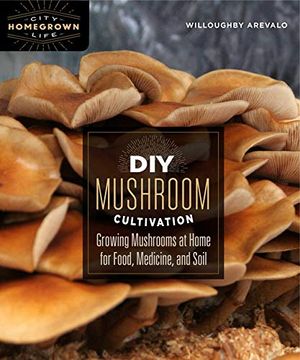
Indoor mushroom cultivation setup supporting sustainable home food production
Home food growing is expanding beyond traditional vegetables. One notable trend is mushroom cultivation, which allows individuals to produce nutrient-rich fungi indoors with relatively simple setups.
Accessible guides and resources are making it easier for people to learn mushroom cultivation techniques, helping diversify home-grown diets and strengthen food resilience6.
The Role of Big Food Companies
Large corporations are also adapting to the rise of home food growing by focusing on innovation and strengthening global food systems.
Major industry players are investing in sustainable supply chains and food security initiatives to ensure reliable access to food worldwide7.
Meanwhile, global produce suppliers continue to play an essential role in delivering fresh fruits to consumers, complementing home-grown efforts rather than replacing them8.
Wellness and Lifestyle: A Deeper Connection
Home food growing is closely linked to personal wellness. People who grow their own food often develop healthier eating habits and a stronger connection to what they consume.
Social platforms showcase how individuals are embracing mindful living and self-sufficiency, reinforcing the lifestyle benefits associated with growing food at home9.
It Even Extends to Pet Care
The focus on nutrition and conscious living extends beyond humans. Many individuals are applying the same principles to pet care, emphasizing balanced and tailored diets.
Specialized nutritional products highlight the growing importance of customized diets for pets, reflecting a broader awareness of health and wellbeing10.
The Power of Community and Knowledge Sharing
Community plays a crucial role in accelerating the home food growing movement. People are actively sharing tips, experiences, and knowledge across various platforms.
Global organizations are facilitating collaboration by connecting stakeholders in agriculture and innovation, helping spread ideas and support new growers11.
Why Home Food Growing Matters More Than Ever
Home food growing addresses multiple modern challenges at once, from reducing dependence on supply chains to improving access to fresh produce. It also contributes to sustainability and supports mental wellbeing by fostering a deeper connection with nature.
- Reduce reliance on global supply chains
- Lower long-term food costs
- Improve access to fresh produce
- Support mental wellbeing
- Encourage sustainable living
This combination of benefits makes it a powerful and practical solution for modern lifestyles.
Challenges to Keep in Mind
Despite its advantages, home food growing comes with challenges. It requires time, consistency, and a willingness to learn through trial and error.
- Time and effort are required
- Initial setup costs may be high
- Learning curve for beginners
Starting small and gradually expanding is the most effective way to overcome these challenges.
The Future of Home Food Growing
The future of home food growing is increasingly shaped by innovation. Advances in smart technology and compact design are making it easier for people to grow food in any environment.
- AI-powered growing systems
- More efficient indoor setups
- Improved access to education
- Stronger global-local integration
As these developments continue, more individuals will be able to participate in this growing movement.
Final Thoughts
Home food growing represents a major shift in how people think about food, health, and independence. It brings together individuals, technology, and communities to create a more sustainable and resilient future.
With minimal space and a willingness to start, anyone can become part of this global movement and experience the benefits firsthand.
Frequently Asked Questions
Question: What is home food growing?
Answer: Home food growing is the practice of cultivating herbs, vegetables, fruits, or other food items at home, either indoors or outdoors.
Question: Do I need a lot of space to grow food at home?
Answer: No, many plants can be grown in small spaces such as apartments using pots, containers, or smart indoor systems.
Question: Is home food growing cost-effective?
Answer: While there may be initial setup costs, it can reduce grocery expenses over time and provide long-term value.
Disclaimer: The information is provided for general information only. JYMS Properties makes no representations or warranties in relation to the information, including but not limited to any representation or warranty as to the fitness for any particular purpose of the information to the fullest extent permitted by law. While every effort has been made to ensure that the information provided in this article is accurate, reliable, and complete as of the time of writing, the information provided in this article should not be relied upon to make any financial, investment, real estate or legal decisions. Additionally, the information should not substitute advice from a trained professional who can take into account your personal facts and circumstances, and we accept no liability if you use the information to form decisions.