)

Renting Residential Property in Malaysia: Trends, Costs, and What to Know in 2026
Key Takeaways
- Rising Rental Demand: More Malaysians are renting due to affordability challenges in homeownership.
- Increasing Rental Prices: Rental rates continue to climb, creating a competitive market.
- Digital Property Search: Online platforms are transforming how tenants find and secure homes.
- Short-Term Rental Growth: Platforms offering flexible stays are reshaping landlord strategies.
- Foreign Interest: Malaysia remains attractive to international renters and investors.
A Market Under Pressure: Why Renting Is Rising
The first thing to understand is this: more people are renting because buying is getting harder.
There are growing concerns about affordability among Malaysians, with many feeling priced out of homeownership due to rising costs and economic pressures1.

Public sentiment highlighting affordability concerns among Malaysians regarding homeownership
This shift is closely tied to broader rental market pressures, where demand continues to rise and tenant expectations are evolving2.
At the same time, rental prices are climbing. Data indicates that home rental prices have increased by around 5.5%, reflecting strong demand and limited supply3.
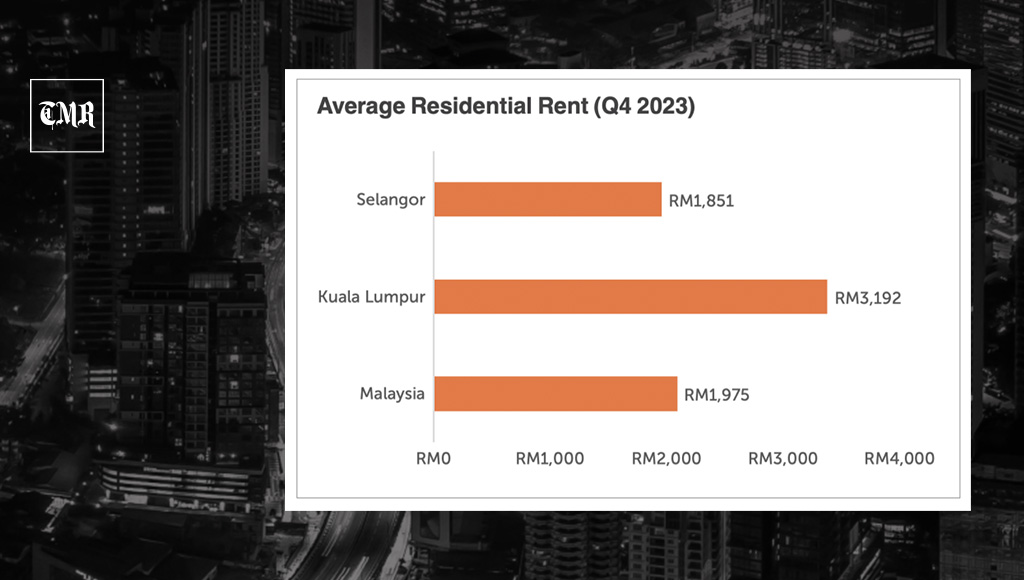
Graph illustrating rising rental prices in Malaysia’s housing market
As a result, renting is no longer just temporary—it is becoming a long-term housing solution for many.
What Renters Can Expect in 2026
Renters in Malaysia today have access to a wide variety of properties, from affordable flats to high-end condominiums.
Online property platforms now showcase thousands of listings nationwide, making it easier than ever to explore options across different cities and price ranges4.
Digital tools and mobile apps have simplified the entire process, allowing users to search, compare, and contact agents instantly from their smartphones5.
This digital shift means properties are rented faster, and competition among tenants is increasing.
Short-Term vs Long-Term Rentals
Short-term rentals have become a significant part of Malaysia’s property landscape, offering flexible accommodation for tourists and temporary residents.
Platforms providing vacation rentals have expanded the market, giving landlords alternative income opportunities beyond traditional leases6.
However, this trend also introduces regulatory considerations and varying rules depending on location, making it important for landlords to stay informed.
Can You Rent Out a Property Immediately After Buying?
Many investors assume they can rent out a property immediately after purchase, but the reality is more complex.
Discussions among property owners highlight the practical challenges, including legal processes, preparation time, and compliance with local regulations7.
In most cases, properties require time for documentation, furnishing, and readiness before tenants can move in.
The Role of Agents and Negotiators
Real estate agents play a vital role in connecting landlords with tenants and ensuring smooth transactions.
Property platforms and agent networks help streamline the rental process by offering listings, negotiation support, and legal guidance8.
This professional support is especially valuable in a fast-moving and competitive rental market.
Foreigners and Renting in Malaysia
Malaysia continues to attract foreign renters due to its affordability, infrastructure, and lifestyle.
Programs that support long-term stays for foreigners have contributed to sustained interest in the rental market9.
Globally, Malaysia is recognized as an appealing destination for property investment and long-term living, especially among retirees and remote workers10.
Rental Yields: Why Investors Are Paying Attention
Investors are increasingly drawn to Malaysia’s rental market due to rising demand and the potential for steady income.
Urban growth, expatriate demand, and tourism recovery all contribute to strong rental yield opportunities in key cities.
However, returns depend heavily on location, property type, and effective management.
Technology Is Changing the Rental Experience
The rental experience has evolved significantly with the rise of digital platforms.
Tenants can now browse listings, take virtual tours, and communicate with agents without visiting physical offices.
This transformation has improved transparency while increasing competition for desirable properties.
A Snapshot of the Market
- High Demand: Rental demand continues to grow across major cities.
- Rising Prices: Rental rates are steadily increasing.
- Digital Dominance: Online platforms lead property searches.
- Foreign Interest: International renters remain active in the market.
- Evolving Regulations: Policies continue to adapt to market changes.
Challenges to Watch
Despite strong demand, several challenges remain in Malaysia’s rental market.
Affordability continues to be a concern, pushing some renters toward smaller spaces or shared living arrangements.
Regulatory uncertainty around short-term rentals and foreign ownership also creates complexity for investors.
Additionally, certain areas face oversupply, particularly in high-rise residential developments.
Opportunities Ahead
The future of renting in Malaysia presents several promising opportunities.
Emerging trends such as co-living spaces, build-to-rent developments, and smart homes are reshaping the market.
As innovation continues, both tenants and landlords can expect improved experiences and more flexible housing solutions.
Final Thoughts
Renting residential property in Malaysia in 2026 reflects broader economic and lifestyle shifts.
With rising costs, digital transformation, and evolving regulations, renting is becoming a central part of modern living.
For tenants and investors alike, staying informed and adapting to market changes will be key to success.
Frequently Asked Questions
Question: Is renting more common than buying in Malaysia now?
Answer: Yes, rising property prices and affordability challenges are leading more Malaysians to choose renting as a long-term option.
Question: Are rental prices expected to keep increasing?
Answer: Rental prices are likely to continue rising due to strong demand, especially in urban areas.
Question: Can foreigners easily rent property in Malaysia?
Answer: Yes, Malaysia is generally foreigner-friendly, though certain rules and regulations may apply depending on visa status and property type.
Disclaimer: The information is provided for general information only. JYMS Properties makes no representations or warranties in relation to the information, including but not limited to any representation or warranty as to the fitness for any particular purpose of the information to the fullest extent permitted by law. While every effort has been made to ensure that the information provided in this article is accurate, reliable, and complete as of the time of writing, the information provided in this article should not be relied upon to make any financial, investment, real estate or legal decisions. Additionally, the information should not substitute advice from a trained professional who can take into account your personal facts and circumstances, and we accept no liability if you use the information to form decisions.