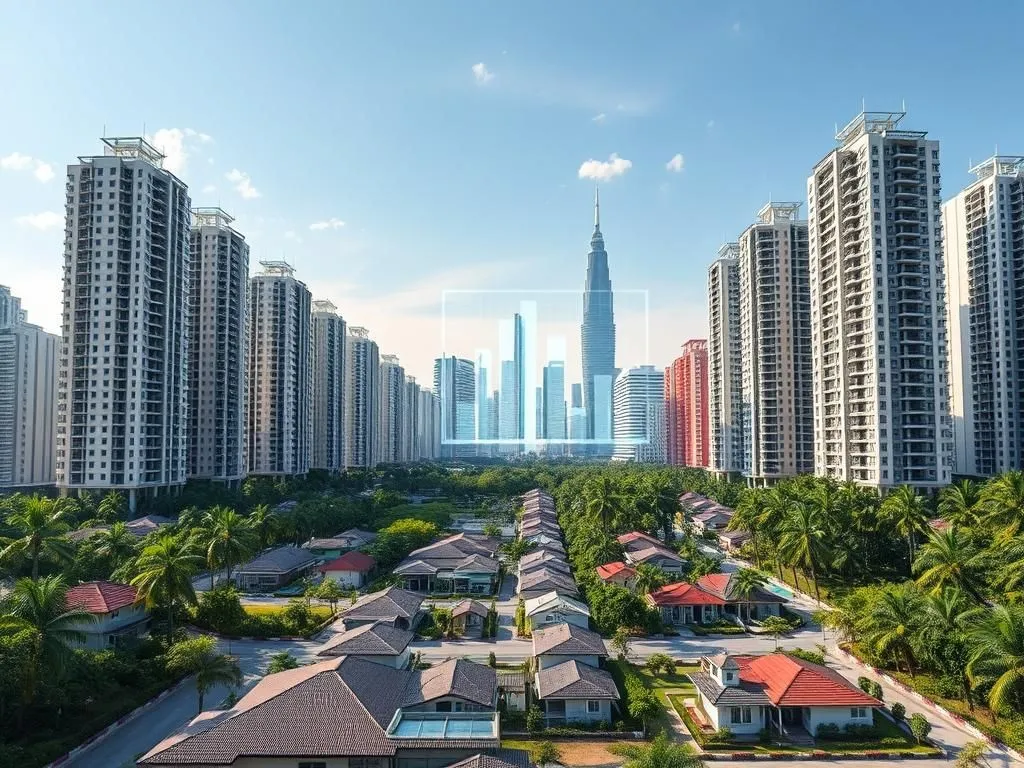

Malaysia Residential Property Market Analysis 2025: What Buyers and Investors Should Know
Key Takeaways
- Historical Insights: Historical price fluctuations highlight the role of economic resilience in property performance.
- Future Prospects: Market optimism for 2025 is tempered by the demand for lower-density, sustainable developments.
- Regional Growth: Rising urbanization and improved infrastructure are expanding hotspots beyond Kuala Lumpur.
- Buyer Trends: Millennial buyers prioritizing lifestyle, tech, and green features drive developer innovation.
- Environmental Risks: Flood-prone zones and climate issues are increasingly shaping residential preferences.
A Look Back to Move Forward: Historical Price Movements
Malaysia’s residential property market has experienced various price cycles over the decades. The market has seen significant fluctuations due to economic challenges, such as the Asian Financial Crisis in 1997 and the 2008 global recession, but more recently stabilized with moderate price growth1.
Real property prices—adjusted for inflation—help paint a more accurate picture by showing how inflationary pressures alter real value and consumer affordability2.
2025 Outlook: An Optimistic Mood, but With Nuance
Forecasts suggest a cautiously optimistic 2025, with demand projected to rise as confidence gradually returns. Developers are increasingly shifting product offerings toward mid-tier and integrated community models3.
Location, Location, Location: Urbanization and Regional Growth
Urban transformation within Greater Kuala Lumpur remains a key driver, but secondary regions like Penang and Johor are also seeing increased demand supported by commitments to transit-oriented development and infrastructure upgrades4.
Residential vs. Commercial Property: An Interconnected Story
Residential markets don't operate in a vacuum—commercial activity such as new malls and mixed-use centers drastically influence housing development ripple effects, spurring demand in adjacent residential zones5.
Navigating Supply-Demand Imbalances
Oversupply in high-end segments, especially luxury condominiums, has dampened take-up rates. At the same time, affordable housing remains underbuilt, creating skewed availability across income groups6.
Buyer Demographics and Lifestyle Shifts
The dominant buyer group in Malaysia consists of millennials aged 25–40, seeking lifestyle-focused drives like location visibility, home tech integration, and proximity to transit infrastructure7.
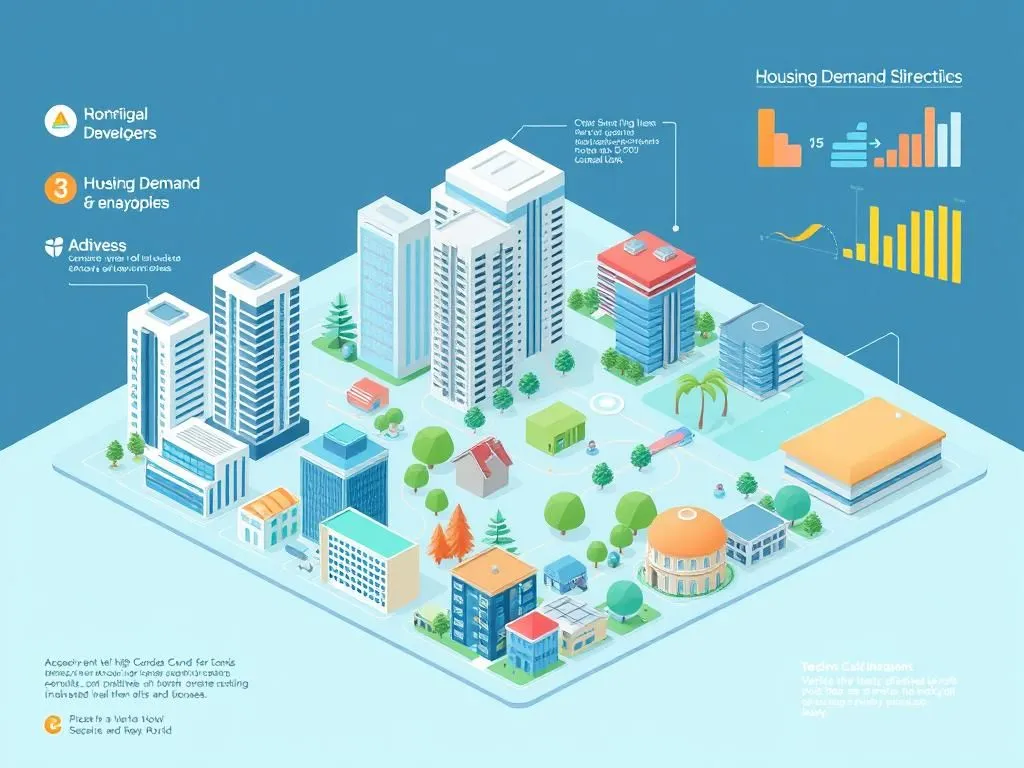
Malaysia’s residential property sector demonstrates continued evolution influenced by shifting economic conditions, buyer demand, and emerging technologies
Green Challenges: Floods and Climate Risk
Climate resilience has surfaced as a key concern with increased flooding in urban regions. Flood-prone zones like Klang Valley now require better planning to mitigate environmental risk8.
Foreign Investment and Policy Influence
Foreign ownership patterns are shaped heavily by regulatory reforms. Programs like MM2H and minimum pricing thresholds can either encourage or suppress inflow depending on policy direction9.
The Role of Mid-Year Reviews: What 2024 Tells Us
Raine & Horne Malaysia’s mid-2024 update reports resilient demand and relatively stable pricing across suburban zones despite wider global volatility10.
What Lies Ahead: Malaysia’s Residential Real Estate Roadmap
Long-term growth is anticipated to be shaped by sustainability, transit-linked projects, tech integration, and balanced decentralization for residents and investors alike11.
Final Thoughts: 2025 Is a Turning Point
The Malaysia residential property market in 2025 will not be shaped by one single factor—but by a mosaic of interlinked dynamics. Changing buyer demands, new policies, environmental realities, and economic patterns all play their part.
For those considering a home purchase or investment, now is the time to understand how trends align with your goals. And when it’s time to search, you’ll likely visit Property Guru to explore the latest listings aligning with today’s emerging patterns.
In many ways, 2025 is not just another year in real estate—it’s a learning curve on how Malaysia evolves as a nation and a market. Stay tuned, because real estate in Malaysia is more than ever a story worth watching.
Frequently Asked Questions
Question: What is causing the shift in Malaysia’s housing demand?
Answer: Demographic changes, especially among millennials, are leading the need for integrated, tech-friendly, and well-located homes.
Question: Are foreign buyers still active in Malaysia’s real estate market?
Answer: Yes, but their participation depends heavily on regulatory updates, especially around MM2H and pricing thresholds.
Question: Why are suburbs gaining popularity in 2025 forecasts?
Answer: Suburbs now offer better affordability, improved infrastructure, and transit access compared to congested city centres.
Disclaimer: The information is provided for general information only. JYMS Properties makes no representations or warranties in relation to the information, including but not limited to any representation or warranty as to the fitness for any particular purpose of the information to the fullest extent permitted by law. While every effort has been made to ensure that the information provided in this article is accurate, reliable, and complete as of the time of writing, the information provided in this article should not be relied upon to make any financial, investment, real estate or legal decisions. Additionally, the information should not substitute advice from a trained professional who can take into account your personal facts and circumstances, and we accept no liability if you use the information to form decisions.