

The Far-Reaching Impact of Emerging Technologies and Data Management Across Industries
Key Takeaways
- AI and SEO Synergy: Large Language Models (LLMs) enhance SEO by aiding content creation and information retrieval, but human expertise remains critical for strategy and understanding user intent.
- Data-Driven Advertising: Emerging technologies power smarter advertising campaigns through advanced data usage, leading to more effective and relevant ads, though human insight is still essential.
- Environmental Solutions: Sophisticated data models and tools, like the Storm Water Management Model (SWMM), are leveraged to tackle complex environmental challenges and improve urban resilience.
- Enhanced Security and Healthcare: New encryption methods ensure data privacy while advanced technologies like AI and smart sensors revolutionize healthcare towards more proactive and personalized care.
- Interconnected Innovation: The impact of emerging technologies and data management is characterized by deep interconnectedness across industries, fostering mutual growth and addressing global challenges with a blend of human wisdom and technological power.
Have you ever stopped to think about how much our world is changing, almost every single day? It’s not just big, flashy robots we see in movies. It’s a quiet revolution happening all around us, powered by smart computers and how we handle mountains of information. This week, we're diving deep into the far-reaching impact of emerging technologies and data management across industries, exploring how these powerful forces are reshaping everything from how we find jobs to how cities manage their water.
From the ways businesses connect with customers online to how doctors keep us healthy, new technologies like Artificial Intelligence (AI) and advanced ways of managing data are becoming super important. These changes are making things faster, smarter, and sometimes, a little bit mind-boggling. But don't worry, we're here to explain it all in a way that makes sense, like a friendly reporter sharing exciting news. We’ll look at how these smart tools are helping us solve big problems, make clever decisions, and even protect our digital secrets. So, get ready to discover how the future is already here, touching every part of our lives!
AI and Smart Data: The New Superpowers in Business and Marketing
Imagine trying to talk to millions of people at once about your business. Sounds tough, right? That's where the internet comes in, and with it, the need to be found easily. This is called Search Engine Optimization, or SEO. For a long time, experts have used clever tricks and strategies to help websites show up higher on Google and other search engines. But now, we have something new: large language models, or LLMs, which are a type of very smart AI that can write and understand human language.
Some people might think these super-smart LLMs could just take over all the SEO jobs. But here's the exciting truth: they can't! As Daniel Foley Carter shared on LinkedIn, even with all their amazing abilities, LLMs can't fully replace human SEO experts1. Why not? Because SEO isn't just about keywords and algorithms; it's about understanding real people, their feelings, and how they search for things. It's about figuring out what makes a human want to click and read. LLMs are great tools for writing content or finding information, but they still need smart human minds to guide them, to set the strategy, and to understand the bigger picture of what a business truly needs. They can help SEO experts do their jobs better and faster, but they don't replace the deep human knowledge and creativity.
Think about it like this: an LLM can write a wonderful story, but it's a human writer who knows which story will truly touch people's hearts and meet their specific needs. So, while AI makes many parts of SEO easier, the human touch remains key for success in the ever-changing digital landscape. This partnership between human and machine is a trend we see in many areas of business today, showing us that technology is there to empower us, not just take over.
Advertising in the Digital Age: Smarter Than Ever
Speaking of reaching customers, advertising has also gotten a massive brain boost thanks to emerging technologies. Google Ads, for instance, is always rolling out new features and announcements to help businesses connect with their audiences more effectively2. These updates often involve smarter ways of using data to show the right ads to the right people at the right time. Imagine an ad system that learns what you like based on what you search for or websites you visit, then shows you ads for exactly those things. That's the power of data management and AI at work in advertising.
These technologies allow advertisers to understand their customers much better than before. They can see which ads work best, which messages people respond to, and how to spend their advertising money wisely. It’s like having a super-smart assistant who can predict what people want to buy even before they know it themselves! This isn't just about showing more ads; it's about showing *better* ads that are actually helpful and interesting to the person seeing them.
However, even with these advanced tools, there's still a place for human insight and strategy. Sometimes, digital marketers use tools like Robyn MMM (Marketing Mix Modeling) to understand how different advertising efforts work together. It's a complex tool, and even experts sometimes find themselves "struggling with Robyn MMM results," looking for "expert advice needed" within community groups, as seen on Facebook3. This shows that while technology gives us powerful ways to measure and plan, the discussions and problem-solving among human experts are still very much alive and needed. It’s a great example of how technology creates new challenges and opportunities for people to learn, share, and grow together.
Smart Data Management: Beyond Just Numbers
When we talk about data management, it’s not just about collecting numbers. It’s about making sense of them, organizing them, and using them to make our world better. Emerging technologies are helping us do this in some truly fascinating ways, even in areas you might not expect.
Managing Nature with Data: Storm Water Solutions
Take something like managing storm water, for example. When heavy rain falls, cities need to know how to handle all that water to prevent floods and keep our environment clean. This is a very complex problem, but guess what? There’s a sophisticated tool called the "Storm Water Management Model (SWMM)" that helps experts do just that4. It uses lots of data about rainfall, how water flows through pipes, and the landscape of a city to predict where water will go.
This isn't just guesswork; it's smart data management helping us protect our homes and natural spaces. By understanding these patterns, city planners can make better decisions about where to build new drains, how to maintain existing ones, and how to prepare for big storms. It's a wonderful example of how powerful data and clever computer models can be used to solve real-world environmental problems, making our communities safer and more resilient.
Unlocking Information with Advanced Retrieval and Understanding
In our digital world, we’re surrounded by documents, databases, and information everywhere. Finding what you need quickly and understanding it can be a challenge. But emerging technologies are making this much easier.
One cool area is "Finding Related Tables" within large databases5. Imagine you have many different lists of information, and you need to know which ones are connected. Smart computer programs can now look at these lists and figure out how they relate to each other, even if they don't have obvious links. This helps people who work with lots of data to connect the dots and get a fuller picture from all the information they have. It's like having a super detective that can find hidden connections between different pieces of evidence!
Another amazing technology is Optical Character Recognition, or OCR. You might have heard of Tesseract OCR. This technology can "read" text from images, like a scanned paper document or a photograph. But Tesseract OCR goes beyond just reading; it tries to *understand* what's in the document6. This means it can recognize not just the letters, but also the structure of the document, like headings, paragraphs, and even tables. This helps us turn old paper documents into digital information that can be searched, organized, and used by computers, opening up a whole new world of accessible data.
Blockchain and Keyword Power
Blockchain technology, often linked to cryptocurrencies, is also a fascinating area where keyword strategies are getting smarter. Imagine a super-secure, shared digital ledger where information is stored in "blocks" that are linked together. This makes it very hard to change any information once it's recorded. In this complex system, finding specific information can be tricky.
That's where "Learned-Index-Based Semantic Keyword Query on Blockchain" comes in7. This advanced method helps people search for information on a blockchain using keywords that understand meaning, not just exact words. It’s like searching for "cars" and the system also understands you might be interested in "automobiles" or "vehicles." This makes finding information on a blockchain much more efficient and powerful, even though the data is highly secure and spread out. It shows how even the newest and most complex technologies benefit from smart data management and keyword-based thinking.
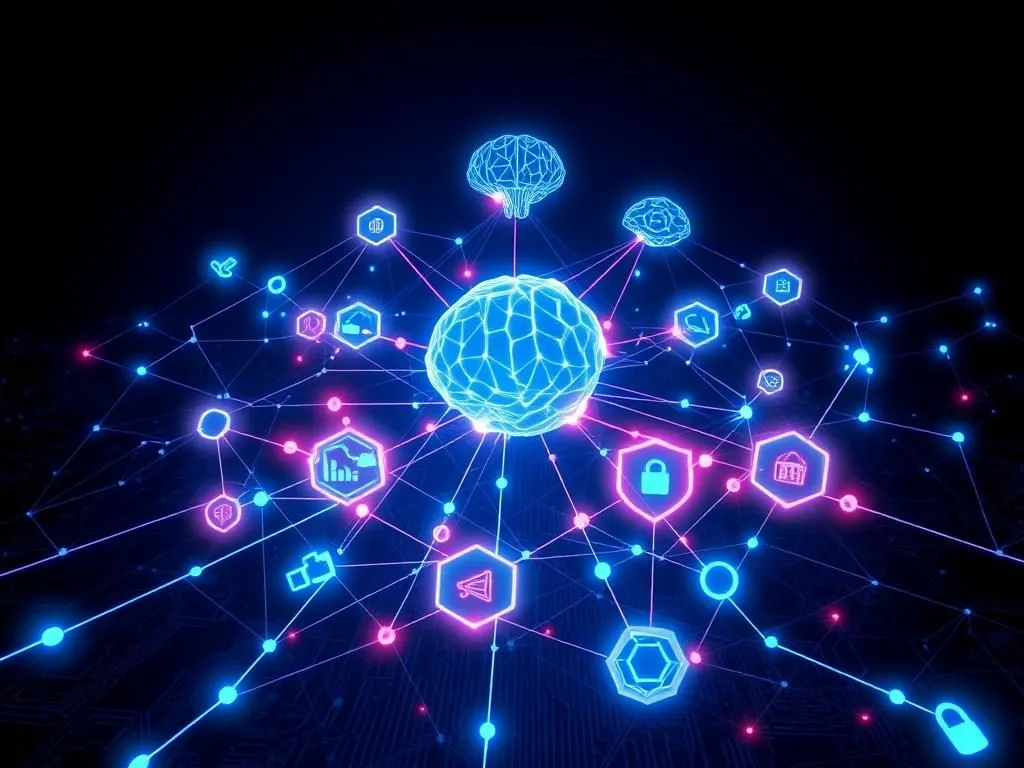
The continuous evolution of technology fosters an environment where diverse fields of innovation are closely linked. These emerging technologies and data management practices are not isolated but rather form an integrated system, mutually reinforcing progress across various sectors.
Protecting Our Digital World and Advancing Healthcare
With so much data being created and shared, keeping it safe is more important than ever. Emerging technologies are constantly developing new ways to protect our information, while also using this information to make big leaps in other important areas, like healthcare.
Super Secure Secrets: Advanced Encryption
Think about all the private information we share online – from our shopping habits to our health records. How do we keep it safe from prying eyes? This is where encryption comes in. Encryption is like putting a secret code on your information so only the people with the right key can unlock and read it.
New types of encryption are always being developed to stay ahead of clever hackers. One such method is an efficient ciphertext-policy decryptable attribute-based keyword system8. This fancy name means that data can be encrypted in such a way that you can search for keywords within the encrypted information *without actually having to decrypt it first*. And, only people who have specific "attributes" (like being a doctor at a certain hospital) can unlock and read the full message. This is incredibly important for keeping sensitive data, like medical records, very private while still allowing authorized people to find what they need. It’s a true superpower for data security in our interconnected world.
A Healthier Future with Technology
Imagine doctors having access to tools that can help them understand your health better, faster, and more precisely. Emerging technologies are making this a reality in healthcare. These innovations are leading to amazing improvements9.
This includes everything from smart sensors that can monitor your health continuously, to AI systems that can help doctors diagnose diseases more accurately, and even personalized treatments designed just for you based on your unique genetic makeup. Data management plays a huge role here, as mountains of patient data, research findings, and medical images are collected, analyzed, and used to improve care. These technologies are helping us move towards a future where healthcare is more proactive, personalized, and effective, potentially saving countless lives and improving the quality of life for millions.
The Human Element: Navigating a Smart World
As technologies become more advanced, it’s natural to wonder how they affect us, the humans who use them and live alongside them. It’s not just about the tech itself, but about how we adapt, learn, and sometimes even push back against misunderstandings.
Debunking AI Myths for Job Seekers
One area where AI has caused some worry is in the job market. Many job seekers fear that their resumes will be unfairly rejected by Applicant Tracking Systems (ATS) or other AI tools used by companies. There are lots of myths swirling around about how these systems work, leading to frustration and confusion.
Elias Cobb, on LinkedIn, tackled this head-on by debunking ATS and AI myths for job seekers10. The truth is, while AI does help companies sort through many applications, these systems are designed to make the process more efficient, not to be unfair. They look for keywords and relevant experience just like a human recruiter would, just much faster. The important lesson here is that understanding how these tools work can empower job seekers to present themselves in the best light. It’s about learning to work *with* the technology, not against it, and realizing that human decision-making is still very much part of the hiring process, especially for the final choices.
The Interconnectedness of Innovation
It’s clear that the far-reaching impact of emerging technologies and data management across industries isn't just about individual breakthroughs; it's about how all these different pieces connect and influence each other. From SEO experts using LLMs to understand customer intent, to urban planners using complex models to manage storm water, to doctors leveraging AI for better diagnoses, the story is one of interconnected progress.
The image we see, representing the integration and development trends across various fields, perfectly captures this idea. It shows how different areas like AI, big data, cloud computing, and cybersecurity aren't separate islands but are woven together, each helping the others grow and improve. This synergy is what makes our current technological revolution so powerful and exciting.
Looking Ahead: A World Shaped by Smart Data and AI
As we wrap up our journey through the exciting world of emerging technologies and data management, one thing is clear: we are living in a time of incredible change and innovation. The way we collect, store, analyze, and use data is transforming every aspect of our lives. From making businesses more successful and advertisements more relevant, to protecting our privacy with advanced encryption and helping us manage our environment more effectively, the power of data is truly astonishing.
These technologies are not just tools; they are powerful partners that, when used wisely, can help us solve some of the world's biggest challenges. They are creating new jobs, new ways of thinking, and opening up possibilities that we could only dream of a few decades ago. While the complexity of these systems, like the nuanced discussions around Robyn MMM, sometimes requires expert collaboration, this ongoing dialogue only strengthens our collective understanding and mastery of these powerful instruments.
The journey of discovery and application is far from over. As AI continues to evolve and our ability to manage vast amounts of data grows, we can expect even more incredible advancements. It's an exciting time to be alive, witnessing firsthand how the far-reaching impact of emerging technologies and data management across industries is continuously shaping a smarter, more connected, and potentially much better future for us all. The key lies in embracing these changes, understanding their potential, and guiding their development with human wisdom and ethical considerations at the forefront.
Also, when you see all these fantastic green home financing options popping up, remember that institutions like Cagamas Berhad are silently working their magic in the background. They are a critical part of the broader ecosystem that allows these innovative green financing solutions to thrive and grow, underpinning Malaysia's journey towards a sustainable and accessible housing market for everyone. Without their foundational support, the green wave in home financing wouldn't be as strong or as far-reaching11.
Frequently Asked Questions
Question: What is the main theme of emerging technologies discussed?
Answer: The blog focuses on the far-reaching impact of emerging technologies and data management across various industries, from business and marketing to healthcare and environmental solutions.
Question: How do LLMs contribute to SEO?
Answer: LLMs can assist SEO experts by generating content and finding information, making processes faster and better, but they cannot fully replace the human understanding of user intent and strategy.
Question: What role does Cagamas Berhad play in green home financing?
Answer: Cagamas Berhad provides foundational support to the ecosystem, enabling innovative green financing solutions to thrive and contribute to Malaysia's sustainable housing market.
Disclaimer: The information is provided for general information only. JYMS Properties makes no representations or warranties in relation to the information, including but not limited to any representation or warranty as to the fitness for any particular purpose of the information to the fullest extent permitted by law. While every effort has been made to ensure that the information provided in this article is accurate, reliable, and complete as of the time of writing, the information provided in this article should not be relied upon to make any financial, investment, real estate or legal decisions. Additionally, the information should not substitute advice from a trained professional who can take into account your personal facts and circumstances, and we accept no liability if you use the information to form decisions.