
Market Acura Sales: Unpacking the Road Ahead for Honda's Luxury Brand
Key Takeaways
- Luxury Positioning: Acura, Honda’s premium division, targets drivers seeking refined performance and advanced features in sedans and SUVs.
- Market Dynamics: The brand faces varied global success, necessitating tailored regional strategies and product offerings.
- Future Forward: Acura must embrace electrification and adapt to evolving consumer preferences to maintain market relevance and drive future sales.
Have you ever wondered what goes on behind the scenes of your favorite luxury car brands? It’s a fascinating world, filled with innovative designs, powerful engines, and a constant drive to capture the hearts (and wallets) of drivers everywhere. Today, we're diving deep into the intriguing world of Market Acura Sales, exploring the journey of Honda’s premium division as it navigates a dynamic global landscape. Acura, known for its commitment to precision crafted performance, holds a unique spot in the automotive market as the luxury branch of the well-respected Honda brand1. But what does it take for a luxury brand to truly shine? And what challenges and opportunities lie ahead for Acura in its quest for market dominance?
From sleek sedans to robust SUVs, Acura's strategy is to offer "Premium Sedans and SUVs" that promise a blend of luxury, performance, and reliability2. However, like any big player in the automotive world, Acura faces a mix of successes and areas where it needs to hit the gas a little harder. We'll explore why some markets embrace Acura with open arms, while others remain a tougher sell, examine how its parent company's performance can cast a shadow or shine a light on its own sales, and peer into the crystal ball of the electric future. Get ready to embark on a thrilling ride as we uncover the forces shaping Acura's destiny.
The Global Stage: Where Acura Shines and Where It Seeks to Grow
Acura's journey across the globe is like a complex map, with thriving highways in some regions and winding, challenging roads in others. The brand positions itself firmly in the luxury segment, aiming to attract buyers looking for something more refined and powerful than a standard car, but with the trusted engineering of Honda. Their official website proudly showcases their commitment to "Premium Sedans and SUVs," highlighting their sophisticated design and advanced features.
However, brand positioning alone doesn't guarantee success everywhere. Imagine a beautifully crafted car that just doesn't quite click with the local taste or market conditions. This seems to be the case in some specific markets, where Acura has faced an uphill battle. For instance, discussions among car enthusiasts have highlighted concerns about why "Acura cars are not selling in the Malaysia Market?"3 This kind of regional struggle is a fascinating puzzle. Is it about pricing? Local preferences for different types of vehicles? Or perhaps competition from other luxury brands that have established a stronger foothold?
This situation underscores a critical lesson for any global automotive company: one size rarely fits all. What works in one country might not resonate in another. Companies often need to tailor their approach, understanding the unique cultural, economic, and competitive landscapes of each market. Consider how other brands, like Alfa Romeo, allow customers to "Choose your market" on their websites4, implying a deliberate strategy to adapt their offerings or messaging based on geographical location. For Acura, cracking the code in challenging markets like Malaysia would involve a deep dive into local consumer behavior and perhaps even rethinking their model lineup or marketing tactics to better connect with potential buyers. The disconnect between a global brand strategy and specific regional market acceptance is a constant balancing act that luxury automakers must master to boost their market Acura sales. Selling techniques and factors can contribute to greater market mastery5.
The Honda Connection: A Family Affair and Shared Journeys
Acura’s fate is, of course, intricately linked to its parent company, Honda. Think of it like siblings in a big family; what affects one often has an impact on the other. Honda’s overall performance in the wider automotive market can provide crucial context for understanding Acura’s sales trends. When Honda faces headwinds, Acura might feel some of that turbulence, even in the luxury segment.
Recent reports, for example, have indicated a downturn in sales for some of Honda's popular models. A keen observation from the online community mentioned that "2024 Honda January sales. Unfortunately Accord sales are down by..."6 The Honda Accord, a long-standing favorite, experiencing a dip in sales is significant because it's a benchmark model for the brand. While Acura targets a different buyer, a general weakening in Honda’s mainstream sales could suggest broader market conditions—like economic shifts or changing consumer tastes—that might also affect luxury buyers. It's a bit like a tide; a low tide affects all boats, even the grandest yachts.
However, challenges also spark innovation. When standard models face competition or changing demands, it can open doors for exciting new ideas. There's always speculation in the car community about new models and variations that could capture consumer interest. For example, discussions have popped up asking, "Would You Buy a Honda Accord RS if It Hit the American Market?"7 This kind of feedback shows a strong appetite for sportier, more distinctive versions of established models. For Acura, this highlights an opportunity to lean into its performance heritage, offering even more dynamic and exclusive luxury vehicles that stand out. If buyers are looking for something extra special in a Honda, they are likely looking for even more in a premium Acura. This focus on performance and distinctiveness is a key ingredient in driving stronger market Acura sales, separating it from the crowd. It's all about understanding the dynamic property resale market8.
Product Power: The Models That Make Waves and the Art of the Refresh
In the fast-paced world of cars, new models and fresh updates are like exciting new chapters in a continuing story. They inject energy into the brand, draw in new customers, and give loyal fans something to look forward to. For Acura, keeping its lineup fresh and appealing is vital for robust market Acura sales.
One clear example of this strategy is the introduction of new models designed to capture specific market segments. Take a look at this exciting development:
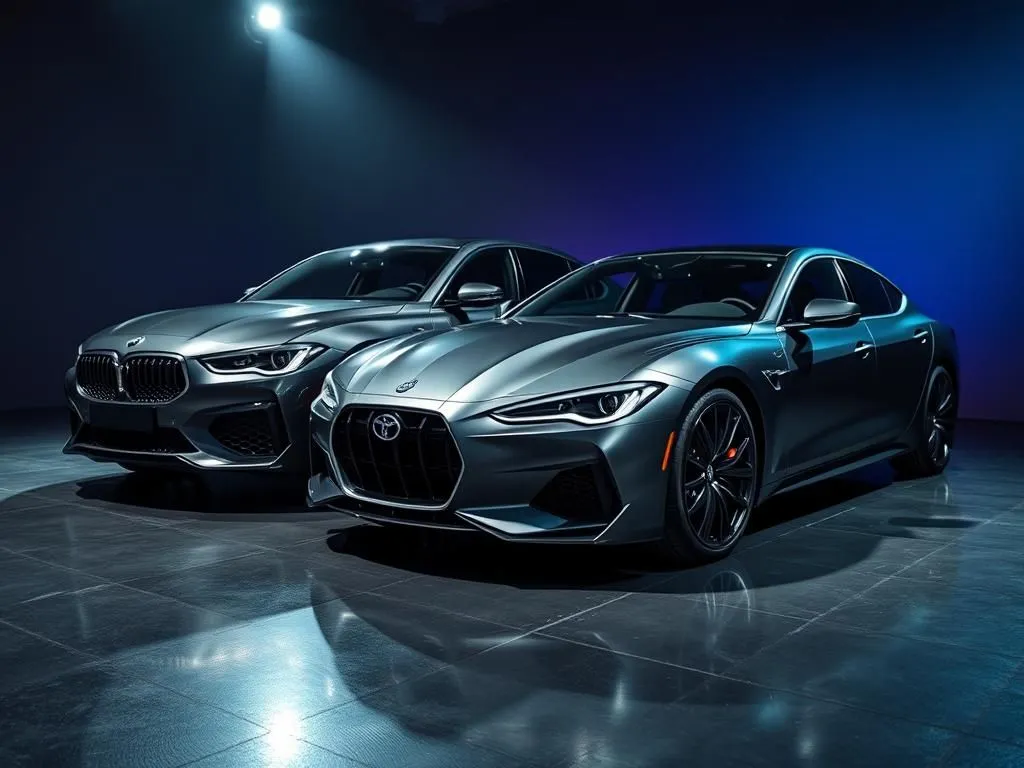
Automotive manufacturers regularly refresh their product lines and introduce new models to maintain market relevance and stimulate consumer interest. Launching specific high-performance sedans, for example, is a common strategy to captivate target demographics and boost sales in key regions. These introductions are essential for luxury brands to showcase innovation and strengthen their market position.
The unveiling of models like the TLX and TLX Type S for the US market signals Acura's commitment to delivering high-performance, stylish vehicles that resonate with its target audience. New models bring cutting-edge technology, improved designs, and often more powerful engine options, giving customers compelling reasons to visit showrooms. These launches are not just about showing off new cars; they are carefully planned strategic moves to boost market share and drive excitement around the brand.
Beyond entirely new models, refreshing existing ones is equally important. Even a beloved model can benefit from a facelift or an upgrade to its features. A good refresh can make an older model feel new again, keeping it competitive against newer rivals. We can see the power of a well-executed refresh by looking at how a previous update was received. A question once posed was, "Does this 2018 refresh make you want to buy Acura's RLX flagship?"9 This highlights how design changes, new technology, or even subtle tweaks can reignite interest in a car, prompting consumers to consider it afresh. A successful refresh doesn't just attract new buyers; it can also keep current owners happy and prevent them from switching to a competitor.
The art of the refresh lies in understanding what customers want and delivering it in an updated package. It's about blending familiarity with novelty, making improvements that matter, and keeping the design language modern and appealing. When done right, model updates and refreshes are powerful tools in Acura's arsenal, ensuring its "Premium Sedans and SUVs" remain at the forefront of the luxury market, continually supporting strong market Acura sales. Understanding market trends is key to capturing specific market segments.
The Electric Future and Shifting Tides: Preparing for Tomorrow's Roads
The automotive world is undergoing a monumental shift, perhaps the biggest since the invention of the car itself. The rumble of gasoline engines is slowly but surely being joined by the silent, powerful hum of electric motors. This move towards electrification isn't just a trend; it's the future, and for brands like Acura, adapting is not an option—it's a necessity.
The "Global electric vehicle market monitor for light-duty vehicles in key..." shows us just how rapidly the electric vehicle (EV) market is growing10. Every major automaker is now investing heavily in EVs, and luxury brands are at the forefront, offering high-performance, long-range electric vehicles that appeal to environmentally conscious and tech-savvy buyers. For Acura, this means that future product planning must heavily factor in electric models. How they transition their "Premium Sedans and SUVs" into an electric era will be a defining factor in their long-term success and market Acura sales. Will they create all-new electric platforms? Or adapt existing ones? The decisions made today will shape their lineup for decades to come.
Beyond the electric wave, consumer preferences are always evolving, sometimes in surprising ways. While luxury buyers often prioritize performance and comfort, broader market trends can indirectly influence their choices or even open up new segments for luxury brands to explore. For instance, discussions around the "MPV market 2025 : r/kereta" show an ongoing interest in multi-purpose vehicles, which are popular for their practicality and spaciousness11. While Acura currently focuses on sedans and SUVs, understanding such broad market preferences helps them stay agile. Could there be a future for a luxury MPV, or perhaps a highly versatile electric SUV that combines luxury with family-friendly features? These are the kinds of questions that drive forward-thinking product development.
Acura must not only embrace the electric future but also remain keenly aware of the broader shifts in what drivers want. This means designing vehicles that are not just luxurious and powerful but also technologically advanced, sustainable, and adaptable to various lifestyles. The brand that can best anticipate and respond to these changing tides will undoubtedly secure a stronger position in the competitive luxury market, ensuring robust market Acura sales for years to come. Adapting selling strategies is also important in a constantly evolving market.
The Manufacturing Backbone: Behind the Scenes of Precision
While we often focus on the gleaming cars themselves, the journey of an Acura begins long before it rolls off the showroom floor. The ability to design, build, and deliver high-quality vehicles efficiently is a foundational element for any successful automaker. This is where manufacturing capabilities come into play. As a division of Honda, Acura benefits immensely from its parent company's extensive and sophisticated global manufacturing network.
Honda has a vast and impressive network of production facilities across the world, meticulously detailed in "Honda World Links - Honda Global"12. These facilities are more than just factories; they are hubs of innovation, precision engineering, and quality control. For Acura, having access to such a robust manufacturing backbone means they can produce their "Premium Sedans and SUVs" to the highest standards, ensuring consistency in quality and meeting demand effectively.
Efficient manufacturing isn't just about making cars; it's about making the right cars at the right time. It allows for flexibility in production, enabling the company to ramp up or scale down output based on market demand and introduce new models with greater ease. Strong manufacturing capabilities directly support sales goals by ensuring that dealerships are stocked with the vehicles customers want, when they want them. Without a reliable and advanced production system, even the most desirable car models would struggle to reach buyers, ultimately hindering market Acura sales. It's the silent engine that powers the entire operation, making sure that Acura’s vision of precision crafted performance translates into tangible vehicles for discerning drivers globally.
Looking Ahead: The Road for Market Acura Sales
Our journey through the world of Market Acura Sales reveals a brand actively navigating a complex and ever-changing automotive landscape. From its identity as Honda's luxury division offering "Premium Sedans and SUVs," Acura faces the challenge of maintaining global appeal while addressing regional discrepancies, such as its struggles in markets like Malaysia.
We've seen how the performance of its parent company, Honda, with its fluctuating sales figures for models like the Accord, can create ripple effects. Yet, there’s also the exciting prospect of new models like the TLX and TLX Type S, and the proven power of strategic refreshes, as seen with the RLX flagship, to reignite consumer interest.
Looking to the future, the rise of electric vehicles is an undeniable force, demanding adaptability and innovation from Acura. As consumers continue to ponder different vehicle types like the MPV market or dream of sportier options like a Honda Accord RS, Acura must listen and respond. Supported by Honda's extensive global manufacturing facilities, Acura is well-positioned to evolve.
The path ahead for Acura is one of continuous evolution, strategic adaptation, and unwavering commitment to its luxury heritage. By understanding its market, innovating with its products, and embracing the future of automotive technology, Acura can continue to carve out a strong and successful destiny in the exciting world of premium automobiles. The journey promises to be as thrilling as the drive in one of its own finely crafted vehicles. Foreign ownership and market trends can affect the vehicle market, just as they do in property.
Frequently Asked Questions
Question: What is Acura's brand positioning in the automotive market?
Answer: Acura positions itself as the luxury division of Honda, focusing on "precision crafted performance" and offering premium sedans and SUVs that combine luxury, performance, and reliability.
Question: Why does Acura face varying sales success in different global markets?
Answer: Acura's global sales success varies due to factors such as local market preferences, pricing strategies, intense competition from other luxury brands, and differing cultural and economic landscapes that require tailored approaches.
Question: How is Acura preparing for the future of the automotive industry?
Answer: Acura is preparing by heavily factoring electric models into its future product planning, adapting its "Premium Sedans and SUVs" for the electric era, and remaining aware of evolving consumer preferences to design technologically advanced, sustainable, and adaptable vehicles.
Disclaimer: The information is provided for general information only. JYMS Properties makes no representations or warranties in relation to the information, including but not limited to any representation or warranty as to the fitness for any particular purpose of the information to the fullest extent permitted by law. While every effort has been made to ensure that the information provided in this article is accurate, reliable, and complete as of the time of writing, the information provided in this article should not be relied upon to make any financial, investment, real estate or legal decisions. Additionally, the information should not substitute advice from a trained professional who can take into account your personal facts and circumstances, and we accept no liability if you use the information to form decisions.